
 RESEARCH ARTICLES
Introduction
Canada’s Arctic has become an increasingly important focus of national security, economic development, and international relations. As a gateway to the North Atlantic, the region supports critical trade, transportation, and communication routes connecting North America and Europe. Its vast natural resources, particularly undiscovered oil, natural gas, and critical minerals, have also attracted growing international interest. At the same time, climate change is rapidly transforming the Arctic, accelerating sea ice loss, disrupting ecosystems, and making northern shipping routes increasingly accessible during parts of the year.
These changes are unfolding amid heightened geopolitical competition and expanding military activity in the region. According to NATO, Russia has significantly increased its Arctic military presence by reopening military installations and expanding its weapons capabilities. China has also demonstrated growing interest in Arctic energy resources, critical minerals, and strategic shipping routes, while increased cooperation between Russia and China has raised security concerns.
Against this backdrop, Canada and its allies are investing in military capabilities, northern infrastructure, and resource development to strengthen their Arctic presence and reinforce territorial sovereignty. In March 2026, for example, Canada announced a major Arctic investment plan, including more than $35 billion in federal investments alongside major infrastructure projects. The plan includes upgrades to military facilities in Iqaluit and other northern locations, as well as new operational support facilities in Resolute, Cambridge Bay, and Rankin Inlet.
However, strengthening Arctic sovereignty in Canada requires more than military investments and territorial security. It also depends on meaningful partnerships with Indigenous Peoples, respect for their rights and self-determination, and sustained investments that support strong, resilient northern communities.
Why Arctic Sovereignty Requires Indigenous Partnership
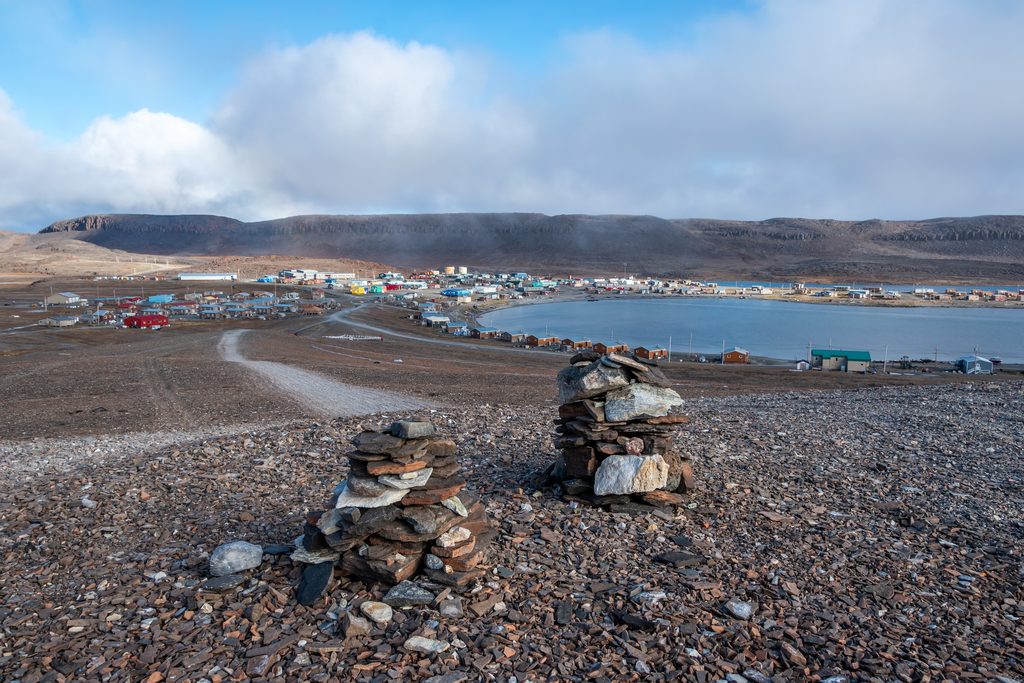
Inuit Nunangat, the Inuit homeland of Canada, encompasses four distinct regions: Nunavut, Nunavik (northern Quebec), Nunatsiavut (northern Labrador), and the Inuvialuit Settlement Region (Northwest Territories). Together, these regions account for approximately 40% of Canada’s land area and 72% of its coastline. Inuit have lived in and cared for these lands, waters, and ice since time immemorial, with distinct governance systems and rights recognized through modern treaties and Section 35 of the Constitution Act, 1982.
In its 2025 position paper on Arctic sovereignty, security, and defence, Inuit Tapiriit Kanatami (ITK) emphasized that Inuit rights, knowledge, and continued presence in the region are integral to Canada’s Arctic sovereignty. Canadian sovereignty and Inuit self-determination are related but not interchangeable, and their respective roles and responsibilities must be recognized in Arctic policy and decision-making. Inuit also contribute directly to Arctic security through environmental monitoring, search and rescue, navigation, and extensive knowledge of local conditions.
However, Canada’s historical approach to Arctic sovereignty has not always respected these contributions. During the Cold War era, military buildup in the Canadian Arctic occurred without Inuit consent. During the 1950s, the federal government relocated Inuit families from Inukjuak and Pond Inlet to Resolute Bay and Grise Fiord in the High Arctic. These relocations caused significant hardship and suffering, for which the federal government formally apologized in 2010. As Canada expands its northern security investments, this history underscores the importance of building partnerships grounded in trust, respect for Inuit rights, and recognition of the consequences of past federal decisions for Inuit communities.
A Renewed Focus on Arctic Security and Inuit Leadership
“Security imposed without partnership is not sovereignty.“
Recent developments have placed Inuit participation in Arctic security planning at the forefront of Inuit-Crown discussions. In June 2026, ITK issued a national statement calling for closer coordination with Inuit rights holders in Arctic security decisions and for investments that deliver practical benefits to Inuit communities. The statement also emphasized that Inuit should be involved in security planning from the outset, so that potential community impacts can be identified and addressed.
This message was reinforced on June 30, 2026, when Prime Minister Mark Carney and ITK President Natan Obed co-chaired an Inuit-Crown Partnership Committee meeting in Kuujjuaq, Nunavik. The meeting brought together federal representatives and Inuit leadership from all four Inuit treaty regions. Discussions addressed Arctic sovereignty, defence, infrastructure, housing, food security, and economic development, including opportunities for dual-use infrastructure that can serve both civilian and military needs.
These discussions build on the Inuit Nunangat Policy, endorsed in 2022, which guides federal departments and agencies in developing policies, programs, and services affecting Inuit Nunangat. In February 2025, the federal government also introduced a Cabinet directive to support the policy’s implementation across government.
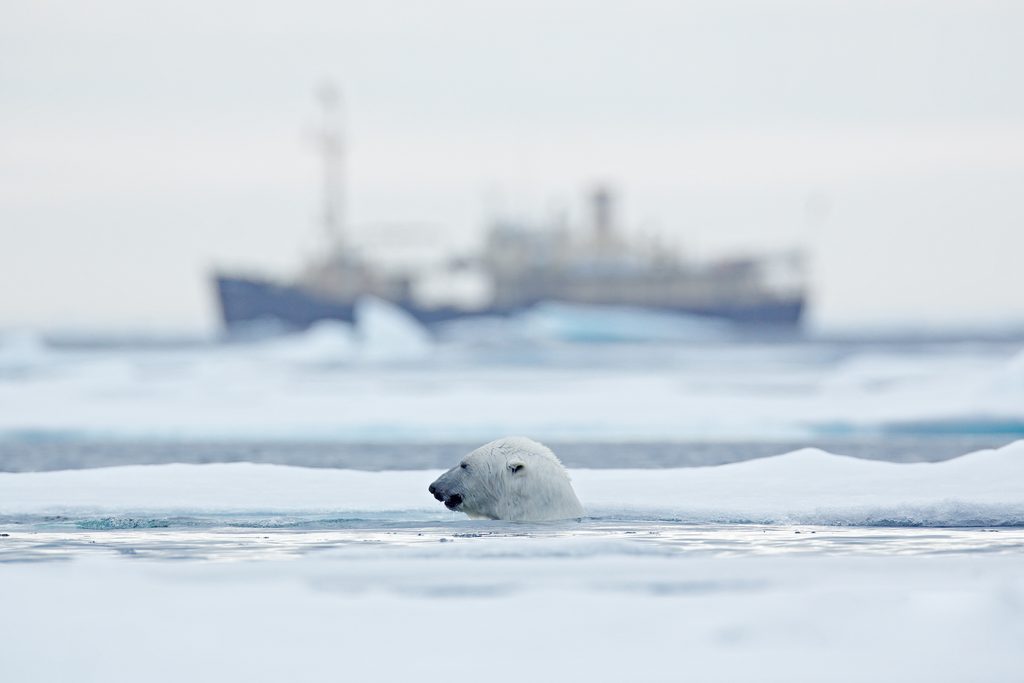
Together, these developments establish a policy framework for continued Inuit-Crown cooperation. The next challenge is how these commitments translate into specific Arctic security initiatives, infrastructure investments, and governance arrangements, with Inuit governments and organizations helping shape decisions from the outset. This is particularly important as climate change intensifies existing Arctic vulnerabilities. The region is warming three times faster than the global average, with thawing permafrost and changing ecosystems affecting community infrastructure, transportation, and traditional harvesting practices. Addressing these challenges requires an approach to Arctic security that recognizes Inuit knowledge, governance, and community priorities alongside national defence objectives.
Arctic Sovereignty in Practice
Recent military, infrastructure, and governance initiatives offer examples of how Canada’s Arctic priorities intersect with Inuit knowledge, community development, and northern decision-making.
Canadian Rangers: Local Knowledge and Northern Security
As members of the Canadian Armed Forces (CAF) Reserve, Canadian Rangers maintain a presence in remote and northern communities, conduct patrols, support search and rescue operations, and share critical knowledge about local terrain and environmental conditions.
During Operation NANOOK-NUNAKPUT in August and September 2026, more than 350 CAF personnel, including Canadian Rangers, participated in military exercises in and around Resolute Bay, Nunavut. Nunakput, an Inuktitut word meaning “Our Land,” reflects the operation’s focus on maintaining a sustained presence across the Canadian Arctic Archipelago through close collaboration with Indigenous communities, the Canadian Coast Guard, the Royal Canadian Mounted Police (RCMP), and other partners. Activities included surveillance training, land- and air-mobility exercises, and integrated land, air, and maritime activities to strengthen Canada’s Arctic security and operational readiness.
The operation illustrates the value of combining military capabilities with the knowledge and expertise of northern residents, including Indigenous participants. While this form of operational collaboration supports Canada’s Arctic presence, ITK has also emphasized the importance of Inuit rights holders participating in broader defence planning and strategic decision-making.
Arctic Bay, Nunavut: Infrastructure the Supports Communities and Sovereignty
In October 2026, the federal government announced an investment of more than $77 million to build a multi-use small craft harbour in Arctic Bay, Nunavut. The harbour will improve marine access and safety while supporting fishing, harvesting, transportation, tourism, and local economic development. The Qikiqtani Inuit Association and the community of Arctic Bay played leading roles in advancing the project, which is also connected to commitments associated with the Tallurutiup Imanga National Marine Conservation Area and Tuvaijuittuq Marine Protected Area.
Construction was awarded to Pilitak Enterprises Ltd., an Inuit-owned company based in Iqaluit, with an Inuit benefits plan designed to create local employment and training opportunities. Construction began in August 2026, and the harbour is expected to become operational during the open-water season of 2030.
The project illustrates how infrastructure associated with Canada’s broader Arctic sovereignty objectives can also respond to community priorities, particularly safe marine access, harvesting, and local economic opportunities. Its longer-term benefits will become clearer as construction proceeds and the harbour enters operation.
Beyond Defence: Community Well-being and Arctic Security
Arctic security also intersects with longstanding challenges affecting northern communities, including housing shortages, food insecurity, and limited access to essential services. According to Statistics Canada’s 2021 Census, 52.9% of Inuit living in Inuit Nunangat lived in crowded housing, while the 2022 Indigenous Peoples Survey found that 77% of Inuit children in the region lived in households experiencing food insecurity. Reliable housing, transportation, telecommunications, health services, and emergency response capacity support the well-being and resilience of northern communities.
Recent federal investments reflect some of these broader priorities. In July 2026, Canada and Nunavut finalized an infrastructure funding agreement providing $81.3 million over ten years for housing-related and post-secondary infrastructure, alongside $74.1 million over three years for health infrastructure.
Inuit-led environmental stewardship is another important part of this broader approach. In September 2026, ITK allocated $51 million in federal funding to Inuit treaty organizations for the Inuit Guardians program, supporting a network of land-based monitors who assess ecological conditions, protect culturally significant areas, and help transfer Inuit knowledge between Elders and youth.
These initiatives complement broader work on Indigenous-led climate adaptation and Indigenous land stewardship, highlighting the relationship between community well-being, environmental stewardship, and long-term Arctic resilience.
Advancing Arctic Inuit-Crown Partnerships
Canada’s evolving Arctic strategy presents an opportunity to strengthen existing relationships with Inuit governments and treaty organizations. Existing Inuit-Crown commitments and federal policy frameworks provide several areas for consideration as new Arctic investments move forward:
- Inuit participation in security planning: ITK’s June 2026 statement calls for Inuit rights holders to be involved in decisions about Arctic defence and security, including assessing potential community impacts and identifying opportunities for local benefits.
- Community benefits from major investments: At the June 2026 Inuit-Crown Partnership Committee meeting, federal and Inuit leaders discussed opportunities to advance dual-use infrastructure and major projects while addressing Inuit priorities such as housing, food security, and economic development.
- Implementation of existing policy commitments: The Inuit Nunangat Policy applies across federal departments and agencies, while Canada’s Arctic Foreign Policy commits to incorporating Indigenous knowledge, rights, and perspectives into Arctic diplomacy and decision-making. These frameworks provide a basis for examining how Inuit priorities are reflected in future federal initiatives.
These priorities are consistent with broader principles of Indigenous self-governance and meaningful engagement discussed in Waapihk Research’s previous articles on Indigenous self-governance and community engagement. They also provide a useful basis for assessing how existing commitments are put into practice as Canada’s Arctic investments progress.
Conclusion
Canada’s Arctic sovereignty depends on more than military readiness and territorial defence. Infrastructure development, economic investment, and the well-being of northern communities also contribute to the region’s long-term security and resilience. Recent Inuit-Crown discussions, defence initiatives, and infrastructure commitments demonstrate how these priorities increasingly intersect. As Canada advances its Arctic strategy, the implementation of existing commitments and the extent to which Inuit rights, governance, and community priorities are reflected in decisions will be important considerations in assessing the region’s future security and resilience.







Share the article