
 RESEARCH ARTICLES
Introduction
Turtle Island is experiencing increasingly severe climate impacts, including coastal erosion and sea-level rise, permafrost thaw, wildfires, and shifting ecosystems. These changes have profound social, economic, and cultural consequences, especially for Indigenous peoples whose livelihoods and identities are closely tied to the land.
While on the frontlines, Indigenous peoples are leading innovative, place-based responses rooted in traditional knowledge, local expertise, and community-driven governance. Indigenous adaptation approaches offer sustainable, reciprocal, and long-term models that can inform climate policy and resilience efforts across Canada.
Why Indigenous-Led Climate Initiatives Matter
Indigenous-led adaptation strategies are vital because they are rooted in place-based knowledge systems, such as Inuit Qaujimajatuqangit, Anishinaabe teachings, or Dene law, and prioritize community needs. These approaches draw on intergenerational knowledge and understanding of local environments, often integrating traditional ecological knowledge (TEK).
Indigenous peoples are leaders, not merely stakeholders, in responding to the climate crisis. Centering Indigenous expertise and values enhances adaptation efforts by overcoming limitations of top-down Western adaptation approaches, such as short-term planning, limited inclusion of local priorities, and inadequate integration of cultural and ecological knowledge.

Examples of Adaptation and Resilience
Below are three examples illustrating how Indigenous peoples are applying these principles to build environmental and social resilience.
Inuit-Led Climate Monitoring in Rigolet, Nunatsiavut
In Rigolet, Labrador, Inuit communities are addressing climate impacts through the eNuk Environment and Health Monitoring Program, which bridges traditional knowledge and scientific observation. This initiative enables hunters, Elders, and residents to record environmental conditions such as sea ice, weather anomalies, and trail safety through a mobile app. Early outcomes include a baseline of locally relevant environmental and health indicators, improved safety for travel and hunting, and strengthened capacity to respond to climate change.
eNuk integrates Inuit Qaujimajatuqangit with Western science, creating a system that reflects community priorities and supports decision-making. Expanded through projects such as Mobilizing Mountain Metrics That Matter, it now monitors areas including the Mealy Mountains National Park Reserve.
Energy Efficiency and Resilience in Paddle Prairie Métis Settlement
In northern Alberta, the Paddle Prairie Métis Settlement is building resilience through energy-efficient upgrades to homes and infrastructure retrofits, including improved insulation, mechanical systems, pipe insulation, thermostat controls, and an adiabatic condenser. The Métis Energy Future initiative combines retrofits of existing homes and community buildings with new, high-efficiency housing to reduce greenhouse gas emissions, improve comfort, and lower energy costs.
Key projects include retrofitting the Communiplex under the Green and Inclusive Community Buildings program and upgrading 95 homes for seniors and residents with disabilities for safety and efficiency. New homes under the Toward Net-Zero initiative meet high energy standards, reducing heat loss and improving indoor air quality. These efforts cut emissions by roughly 153 tonnes annually and enhance community resilience by lowering energy bills and improving air quality.
The Métis Energy Future initiative shows that Indigenous climate action is not only about large-scale renewables but also practical, localized efforts that foster healthier, more sustainable, and equitable communities.
The Path to Renewable Energy in Haida Gwaii
The Haida Nation on Haida Gwaii exemplifies locally-led climate adaptation. Through Tll Yahda Energy (TYE), a partnership between Old Massett Village Council and Skidegate Band Council, they are pursing 100% renewable energy, replacing imported diesel with hydro, solar, and efficiency upgrades. The initiative is grounded in Haida stewardship principles, such as respect for the land, water, and future generations, and leverages modern renewable technologies and engineering.
The 2-megawatt solar farm built at Masset Airport is expected to replace approximately 670,000 litres of diesel annually, thereby reducing greenhouse gas emissions by 1,750 tonnes. TYE also focuses on energy-efficiency retrofits, community training, and marine data collection to advance research on wind and tidal energy. TYE is recognized as a model for Indigenous climate action, earning Haida Gwaii the “Community of the Year” award from Clean Energy BC in 2023.
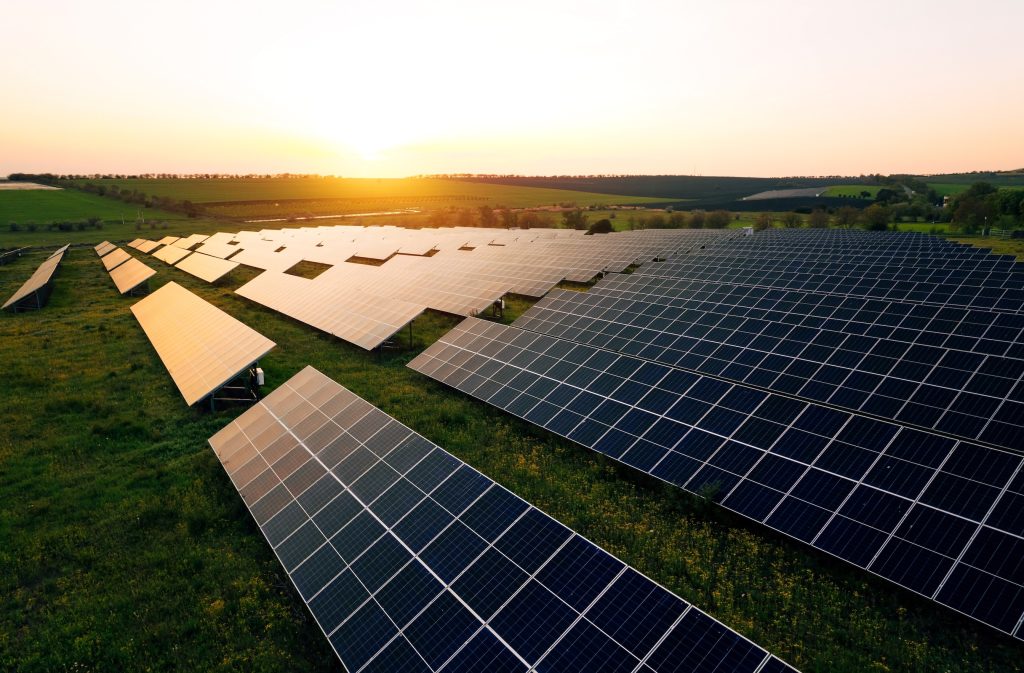
A solar farm on Haida Gwaii reflects Indigenous leadership in climate adaptation, advancing energy sovereignty, resilience, and community-driven solutions (Image via Shutterstock).
Reflections: What Indigenous Climate Leadership Teaches Us
Across the experiences of Rigolet, Haida Gwaii, and Paddle Prairie, several themes emerged, revealing the depth and effectiveness of Indigenous-led climate action in what is now known as Canada.
The Power of Indigenous Knowledge Systems
Indigenous climate adaptation is grounded in sophisticated systems of knowledge, such as seasonal calendars, observational networks, language, and place names, that hold centuries of environmental insight. In Rigolet, for example, hunters and Elders observe ice formation, wind shifts, and animal movements as part of a long-standing practice of reading and responding to environmental cues. These observations, now complemented by the eNuk mobile monitoring tool, reflect a dynamic relationship between knowledge and land: one that is both empirical and deeply relational.
On Haida Gwaii, stewardship principles rooted in Haida law and values guide decisions about renewable energy development. Such approaches demonstrate that Indigenous languages and knowledge systems are not static traditions but living frameworks that support adaptive governance in a changing climate.
Co-governance and Rights-based Frameworks Improve Adaptation Outcomes
Each initiative also highlights the role of governance in shaping equitable and lasting solutions. Haida Gwaii’s Tll Yahda Energy exemplifies co-governance through joint ownership between Old Massett and Skidegate, embedding decision-making authority directly within Indigenous institutions.
Similarly, Inuit-led monitoring in Rigolet operates under Nunatsiavut Government oversight, ensuring data and insights remain under Inuit control. Rights-based approaches, grounded in self-determination, data sovereignty, and free, prior, and informed consent (FPIC), strengthen accountability, foster trust, and improve the effectiveness of adaptation measures.
Multi-scalar Solutions are Key
Indigenous climate initiatives operate simultaneously at multiple scales. Local action, such as retrofitting homes in Paddle Prairie or documenting ice conditions in Rigolet, intersects with broader processes of regional planning, infrastructure development, and policy decision-making. This creates a layered approach in which community-driven priorities both shape and are shaped by wider governance systems. Supportive policy environment, long-term funding mechanisms, and partnerships with regional and national institutions can help amplify community efforts without displacing local leadership. This interplay between scales ensures that adaptation remains both deeply rooted in place and aligned with broader structural changes needed to address climate impacts effectively.
Final Thoughts: Challenges and Opportunities
Sustaining adaptation efforts requires ongoing support for Indigenous research, technical training, and data governance. Many communities face barriers such as limited long-term funding, infrastructure constraints, or loss of control over data once it enters external systems. Yet solutions are emerging: community research funds, Indigenous-led monitoring networks, and new models of data sovereignty are helping to bridge these gaps. Initiatives such as eNUK demonstrate how communities can own and manage their data while shaping adaptation strategies that reflect their values and priorities.
Together, these examples of adaptation demonstrate that Indigenous-led climate adaptation is not merely about resilience but about reclaiming agency, strengthening governance, and redefining how knowledge, policy, and the environment interact in a rapidly changing world.









Share the article