
 RESEARCH ARTICLES
Introduction
As the original inhabitants of the lands that span Turtle Island and Inuit Nunangat, Indigenous Peoples have nurtured reciprocal relationships with the natural environment for millennia. These relationships have shaped worldviews and cultural practices that are inextricable from the lands and waters of their territories, making healthy environments central to Indigenous ways of being. As settlers established communities across the lands now known as Canada, they developed extractive and degrading environmental practices that disrupted the balance of the natural world.
Indigenous land stewardship is grounded in respect, long-term responsibility, and reciprocity with the land. In contrast to many Western, human-centred conservation models, it reflects a wholistic and values-driven understanding of the environment that recognizes the importance of living in respectful relationship with all beings. As demonstrated by Indigenous Peoples since time immemorial, this approach can offer important lessons for the future. The environmental, economic, and health benefits of Indigenous land stewardship can be seen in initiatives in both Australia and Canada, pointing to practical ways governments and institutions can better support this work going forward.

What is Indigenous Land Stewardship?
‘Indigenous land stewardship’ can be defined as “Indigenous individuals who have specific responsibilities to care for the land and encompasses seed keepers, harvesters, healers, guardians, land defenders, and more.” Indigenous land stewards are trusted individuals within their communities who draw on Indigenous ecological knowledge in their conservation practices. Indigenous land stewards maintain and advocate for the health of their territories and communities by monitoring changes in the environment, promoting food sovereignty, and locating traditional medicines, among other activities. The use of the term ‘stewardship’ reflects wholistic understandings of how to create and sustain reciprocal relationships between people and the environment.
“We chose water as a first priority [in our community monitoring]. We chose water because that’s the first encounter you have as a human being. Every human being, no matter what colour, race, or whatever, [are born] from that sacred water lodge.”
Stewardship Rooted in Reciprocity and Respect
Many Indigenous worldviews understand the land as kin and include obligations to treat the land as you would a relative – with respect, gratitude, love, and care. This is sometimes referred to as a “kincentric” relationship with the land. Kincentric relationships are rooted in reciprocity, meaning there is a two-way relationship with support being provided and received by both parties. The land provides food, medicine, and sacred spaces to hold ceremonies and carry out other spiritual and cultural practices. In exchange, Indigenous people care for the land by supporting healthy, balanced ecosystems and protecting the land from exploitation.
“A good example of [reciprocity] is people would go to the creeks [at] two different times of the year. They would go in the springtime before the salmon come back and say, ‘Well, maybe it’s raining too hard, it’s going to impact the rains when they’re [salmon] in the creek. So, we’re going to fall a couple of trees into the river and slow the river flow down.’ Or maybe ‘there’s too much wood debris in the river and we’re going to remove some’. It’s giving back to the salmon so that they have an opportunity to come back and have a safe, sustainable area to spawn in. In return, you take some of those salmon for yourself, for the winter.”
Why Indigenous Land Stewardship Matters
The benefits of Indigenous-led land stewardship go beyond environmental protection and climate adaptation, supporting health and well-being, strengthening cultural continuity, and creating economic opportunities.
Participating in land stewardship activities can increase access to physical activity, healthy country foods, cultural practices, and time on the land. These connections are associated with improved mental, physical, and spiritual well-being. Land stewardship also creates space for language revitalization, the sharing of Traditional Knowledge and oral histories, and intergenerational teaching, while strengthening ties between kin, community, place, and identity.
In many communities, stewardship programs also create stable, meaningful employment while supporting local capacity, monitoring, conservation, and land-based governance. Just as importantly, Indigenous stewardship often leads to healthier ecosystems through place-based monitoring, restoration, sustainable harvesting, and long-standing environmental knowledge.
Lessons from Australia
Many of the documented health inequities experienced by Indigenous Peoples in Canada are tied to the ongoing impacts of colonialism, including land dispossession and environmental degradation. Indigenous-led land stewardship programs that reconnect people with their territories offer one promising approach to addressing some of the social determinants of health.
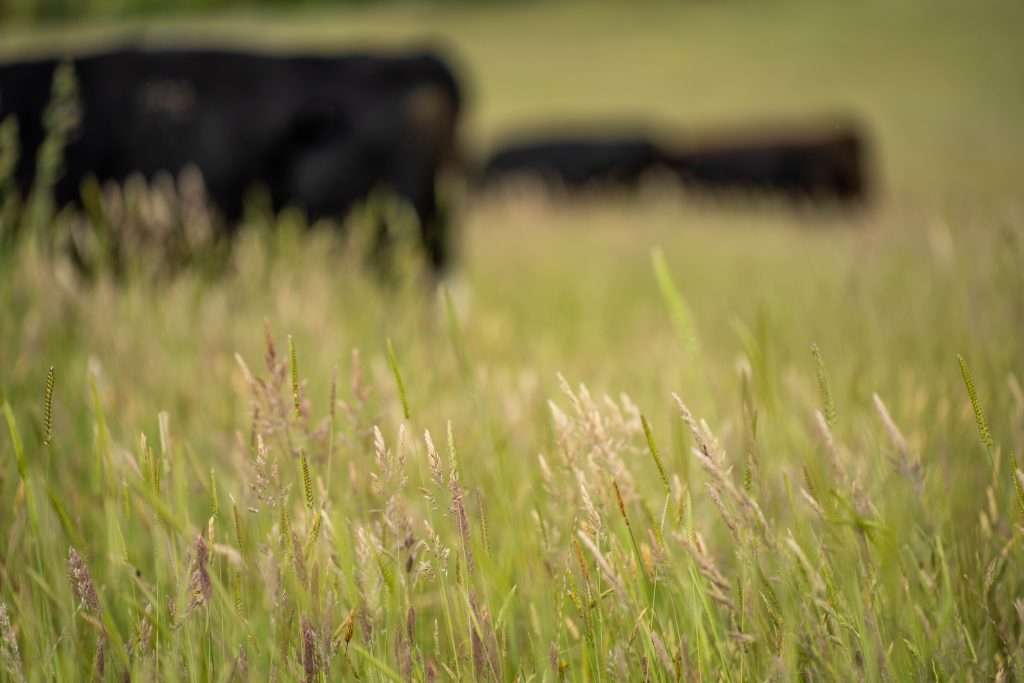
An example is the Caring for our Country program in Australia, a publicly funded initiative that provided multi-year funding for Indigenous land stewardship projects. Several studies found that Indigenous participants in the programs experienced substantial reductions in cardiovascular disease and Type 2 diabetes, along with improvements in mental health and overall well-being. The improved health outcomes among participants are estimated to coincide with a significant reduction in healthcare costs within their communities.
Beyond the human health and economic benefits, the land itself also showed signs of improved health. One Australian study found that Indigenous-stewarded areas had more abundant tall-grass savannas due to traditional fire management practices, fewer weeds, and a greater abundance and diversity of plant and animal foods.
Indigenous Guardians in Canada
Canada’s Indigenous Guardians and Indigenous-Led Area-Based Conservation initiatives reflect a similar shift toward supporting Indigenous stewardship in practice. In 2017, Canada announced a $25 million investment to launch the Indigenous Guardians Pilot Program, which ran from 2018 to 2022, to support Indigenous communities across Canada in exercising their responsibility as stewards of their traditional territories.
Since 2018, the program has helped Indigenous communities create nearly 1,500 traditionally and culturally meaningful jobs while protecting the natural environment. Its success led to an additional $100 million in funding and an extension of the program through 2026. The program continues to prove an excellent investment, yielding immediate economic benefits and significant returns on investment, while creating more stable and diversified economies and enhancing overall social, cultural, and economic well-being in the communities of implementation.
An example of the Indigenous Guardians framework is the Coastal First Nations Coastal Stewardship Network and Coastal Guardian Watchmen program in British Columbia. Developed in 2005, the Coastal Guardian Watchmen uphold traditional and contemporary Indigenous laws to protect coastal territories by ensuring natural resources are sustainably managed, regulations are followed, and land and marine use agreements are effectively implemented.

The positive impacts of the program are wide-ranging. Participants can deepen their connection to culture, share oral histories, practice their language, and strengthen ties to kin, community, and traditional territories. These stewardship activities also support physical health and increase access to healthy, wild foods.
The land and economy also benefit. A recent shoreline cleanup project undertaken between 2024 and 2025 illustrates this clearly: 20,000 pounds of debris were removed from 96 kilometres of British Columbia’s coastlines. The initiative created 20 jobs, 11 of which were held by local Wuikinuxv members. These initiatives can generate substantial returns for Nations, including intangible benefits and values tied to cultural vitality and social equity.
“When net value generation is calculated across affected Nation-held values, Coastal Guardian Watchmen programs achieve, at the low end, a 10 to 1 annual return on investment for the Nations that have the programs… on the high end, some Nations experience a 20 to 1 return on investment each year.”
–Valuing Coastal Guardian Watchmen Programs: A Business Case
The Path Forward
Supporting Indigenous land stewardship requires structural change rather than short-term project funding.
Canada must first honour Indigenous Peoples’ inherent right to access their traditional territories. The House of Commons has called on Crown-Indigenous Relations and Northern Affairs Canada (CIRNAC) to be more transparent about the Comprehensive Land Claims Policy and negotiation approach, work with Indigenous groups to align its processes with the United Nations Declaration on the Rights of Indigenous Peoples, and implement meaningful reforms to address barriers in the current federal system. It has also been recommended that Canada work with Indigenous groups to develop new approaches for responding to Nations defending their lands, create a framework for implementing historic treaties, and establish better mechanisms for resolving disputes and returning land to Indigenous Nations.
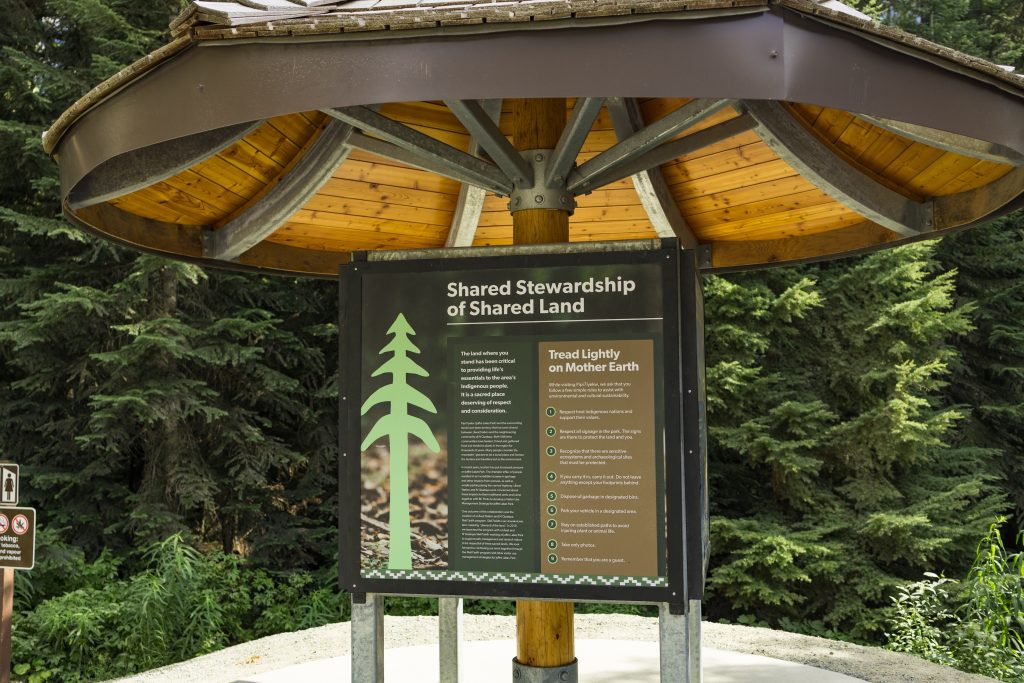
Second, other Western institutions, such as universities, conservation organizations, and the public sector, can help recognize the vital role Indigenous people play as stewards of the land. In 2025, Indigenous leaders and the University of British Columbia’s Faculty of Forestry co-developed a four-year Bachelor of Indigenous Land Stewardship program. The first of its kind, this program honours Indigenous Knowledge and provides students with opportunities to learn from Indigenous scholars, Elders, Knowledge Keepers, and the land itself.
The program represents a meaningful step toward reconciliation by recognizing Indigenous Knowledge as equal in value to Western knowledge systems within predominantly white institutions that have historically excluded it. As Indigenous thinkers have noted, achieving better land management and conservation does not require extracting knowledge from Indigenous Peoples, but rather making space for Indigenous Peoples to restore and maintain their relationships with the land.
Final Thoughts
Indigenous land stewardship offers a powerful, wholistic and kincentric alternative to extractive, short-term approaches to environmental management. It is grounded in reciprocity, responsibility, and the understanding that human well-being is inseparable from the well-being of the land.
Indigenous-led stewardship initiatives can strengthen ecosystems, improve health and well-being, create economic opportunities, and support cultural continuity. These initiatives also demonstrate what becomes possible when Indigenous Nations are recognized as rights-holders, leaders, and caretakers of their own lands and waters rather than as mere stakeholders in a colonial-built system.
For reconciliation to be fully realized, support for Indigenous land stewardship must move beyond rhetoric. It must include the return of land, the recognition of jurisdiction, and sustained investment in Indigenous-led futures.









Share the article