
 RESEARCH ARTICLES
Introduction
Human health, well-being, and survival are intricately connected to water. As an essential chemical component of our human bodies, water supports the processes that make life possible. Access to water and sanitation also affects a wide range of human rights, including health, education, housing, and work.
According to the United Nations (UN), human rights belong equally to all people, without discrimination based on nationality, place of residence, race or ethnic origin, sex, religion, language, political or other opinion, property, birth, or other status. Human rights, as defined by the UN, are also interrelated, interdependent, and indivisible. The Universal Declaration of Human Rights (UDHR), created and adopted by representatives from countries around the world, includes 30 rights and freedoms belonging to all people.
The UDHR is not a legally binding document. However, it serves as a starting point for understanding government and state responsibilities for upholding and enabling human rights. From the UDHR, other legally binding human rights treaties have been developed, which states can voluntarily accept and agree to be bound by. Canada is also subject to, and has affirmed, several international human rights instruments relevant to water, sanitation, and Indigenous rights, including:
- The United Nations Declaration on the Rights of Indigenous Peoples (UNDRIP), which Canada has affirmed through federal legislation.
- The International Covenant on Economic, Social and Cultural Rights (ICESCR).
- The Convention on the Elimination of All Forms of Discrimination Against Women (CEDAW).
- The Convention on the Rights of the Child (CRC).
- The Convention on the Rights of Persons with Disabilities (CRPD).
- The International Covenant on Civil and Political Rights (ICCPR).
Access to clean and safe drinking water, along with proper sanitation, is essential for living with dignity and supporting basic human rights.
What is the ‘Right to Water’?
As declared by the UN:
- The right to water entitles all people to access sufficient, safe, acceptable, accessible, and affordable water for both personal and domestic use.
- The right to sanitation is intricately tied to the above, and entitles all people to physical and affordable access to sanitation that is safe, socially and culturally acceptable, provides privacy, and ensures dignity.
Despite the assertion and recognition of these rights, marginalized groups continue to face barriers to safe water and sanitation. These barriers have profound negative impacts across many areas of life, including physical, financial, social, and spiritual.
First Nations in Canada have faced continual systemic discrimination by the federal government. The historic and ongoing control of water resources by the federal and other governments, sometimes referred to as hydrocolonialism, has shaped the availability of and access to clean and safe water in Indigenous communities across Canada, especially First Nations.
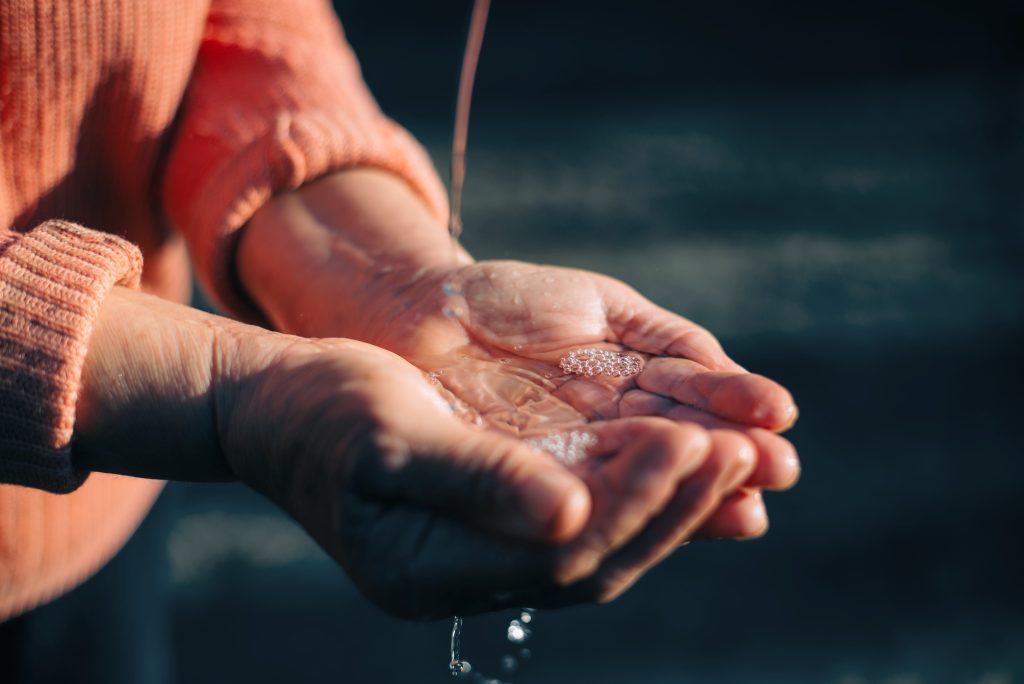
As of June 2026, 38 long-term drinking water advisories remain in place in 36 First Nations. Some have been in place for many years, including the boil water advisory in Neskantaga First Nation, which has been in effect since 1995. In addition to the barriers to water availability and access faced by First Nations, the increasing impacts of climate change and extractive activities disproportionately affect First Nations, Métis, and Inuit communities in Canada. The impacts of insufficient and unsafe water are far-reaching, affecting physical, mental, environmental, and cultural well-being.
Systemic changes are needed to effectively address and end water crises in First Nations communities in Canada. These changes include long-term sustainable funding, respect for Indigenous communities’ local knowledge and their unique needs/contexts, and utilizing approaches that centre Indigenous rights to self-governance and self-determination.
To move towards reconciliation, there must first be a reflection on truth, including colonial legacies, historic and ongoing displacement of Indigenous Peoples, and systemic discrimination within Canadian policies and legislation. The Truth and Reconciliation Commission of Canada’s (TRC) Calls to Action reference responsibilities for the health of Indigenous people, including Calls to Action 18 through 20, which can be applied to the right to water and sanitation.
Living Connections to Water: Understandings from Indigenous Contexts
In many Indigenous cultures around the world, water is seen as more than just a resource. Water is understood as a sacred, life-sustaining entity. While the teachings and responsibilities related to water differ across cultures, water is often understood as a sacred carrier of life that enables the existence of all living beings.
As a living being itself, it may be understood as having spirit, purpose, and agency. From this perspective, water is entitled to freedoms and rights, and humans have responsibilities to recognize, respect, and protect water.
“Water is sacred for First Nations and key to a healthy environment and the health and well-being of all living things, yet too many First Nations are living at risk with no access to clean water. It affects our health, education and livelihood. This is unacceptable in a developed country like Canada. The federal government’s goal of ending all drinking water advisories in First Nations communities by 2021 is clearly a challenge, but we can achieve it by working together in a spirit of partnership and reconciliation.”
–Former Assembly of First Nations National Chief Perry Bellegarde, 2018
Across many Indigenous communities, women have traditionally held important leadership roles, including responsibilities related to the protection of water. In many cultures, women are recognized as life-givers and life-bearers, closely mirroring understandings of water as life-giving.
Significant water protection efforts have been, and continue to be, led by Indigenous women, including the late Josephine Mandamin (Biidasige, from Wiikwemikoong First Nation, Ontario), the late Katherine Morrisseau-Sinclair (Animikiikwe, Anishinaabekwe from Ste Rose du Lac, Manitoba) Stephanie Thorassie (Sayisi Dene First Nation, Manitoba), Autumn Peltier (Wiikwemikoong First Nation, Ontario), and Judy da Silva (Asubpeeschoseewagong or Grassy Narrows First Nation, Ontario).

Decentring patriarchal approaches to water governance and recentring Indigenous women’s matriarchal water governance strategies can support and enhance access to safe water while maintaining cultural practices that support Indigenous sovereignty.
Indigenous Self-Governance: Water Protection and Management
Indigenous communities have historically demonstrated, and continue to demonstrate, resilience and strength in the face of ongoing water crises. Continued control by federal, provincial, territorial, and municipal governments has contributed to disjointed systems that often position and prioritize Western science and Western water resource management strategies that disregard the knowledge and approaches unique to different Indigenous communities.
Despite this, Indigenous communities across Canada continue to assert their rights and responsibilities to protect and manage water. A significant example is the recognition of Muteshekau Shipu, also known as the Magpie River, in Quebec. Through the hard work of the Innu Council of Ekuanitshit and the Minganie Regional County Municipality, resolutions were adopted recognizing the river as a legal person with nine rights, including the right to maintain biodiversity and to be free from pollution.
Other examples of Indigenous water protection and management include:
- Wet’suwet’en Resistance – Wet’suwet’en Nation and Gitxsan Nation.
- Mother Earth Water Walk – started by Josephine Mandamin (Biidasige).
- Water Carriers Project – Native Women’s Association of Canada (NWAC).
- Community Water Monitoring Program – Keepers of the Water.
- Source Water Protection – Whitefish River First Nation.
- Nibi Declaration of Treaty #3 – Grand Council Treaty #3.
- Teaching & Learning Through Reciprocity – Centre for Indigenous Fisheries.
- Listuguj Mi’gmaq First Nation Government Law on Fisheries and Fishing.
Many forms of Indigenous governance, including water protection and management, are deeply embedded in reciprocal relationships between people and the environment. Integrating perspectives across generations can strengthen water protection and management now and into the future, while promoting more sustainable solutions that centre cultural preservation and traditional ways of life.
Recent Legislative Developments: Bill C-37
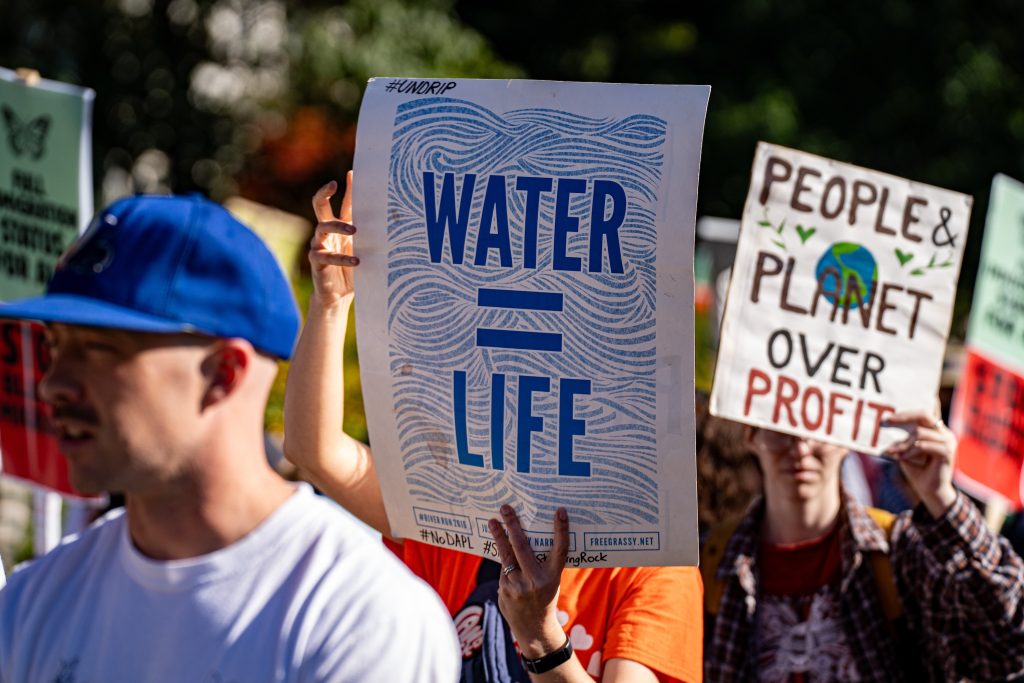
In June 2026, the federal government introduced Bill C-37, the proposed First Nations Clean Water Act. This follows earlier federal legislation, Bill C-61, which was introduced in December 2023 but did not move past the parliamentary process to become law. According to Indigenous Services Canada, Bill C-37 aims to establish legally enforceable protections for safe drinking water and wastewater services on First Nation lands, affirm First Nations’ inherent right to self-government in relation to water, source water, drinking water, wastewater, and related infrastructure, and support the development of adequate and sustainable funding for water services.
Bill C-37 includes language related to the internationally recognized human right to safe drinking water. However, this language is framed around the federal government taking action to “progressively realize” that right. From an Indigenous rights and water sovereignty perspective, this distinction is important. While progressive realization may recognize that long-term systems, funding, and infrastructure are needed, it softens the immediacy of water as a core human right and as a responsibility already owed to First Nations communities.
Legislative change alone cannot resolve the water crisis. However, if grounded in Indigenous self-determination, long-term funding, and meaningful implementation, it may form part of a broader shift toward upholding the right to water and Indigenous water sovereignty in Canada.
Conclusion
Water is both the carrier and enabler of all living beings on Earth. Indigenous cultures have recognized this inherent connection long before the United Nations declared water and sanitation as human rights. The right to water is universal. Yet despite federal commitments and recent legislative efforts to address safe drinking water in First Nations communities, Indigenous communities in Canada continue to face the disproportionate impacts of climate change, colonial policy, and water crises shaped by federal, provincial, territorial, and municipal systems.
Indigenous communities are well-equipped to determine and manage solutions to affirm water sovereignty. There are many historic and ongoing examples of how Indigenous sovereignty and self-determination support local solutions to water and land protection, including and especially those led by Indigenous women.
All levels of government across Canada can better support the right to water and Indigenous water sovereignty by supporting local efforts through long-term sustainable funding, respecting local knowledge systems, and upholding responsibilities reflected in the TRC Calls to Action. Indigenous communities have long recognized the centrality of water to life and continue to develop ways to protect and manage water according to their own beliefs, values, responsibilities, and strengths.
This blog is intended as a general research-informed overview. It does not speak for any Indigenous Nation, government, community, or water protector.





Share the article