
 RESEARCH ARTICLES
Introduction
Canada has committed to conserving 30% of its terrestrial and inland waters and 30% of its coastal and marine areas by 2030. Canada’s 30-by-30 commitment is intended to help address accelerating biodiversity loss and climate change by protecting ecosystems that store carbon, support clean water, and provide habitat for vulnerable species. Yet at the end of 2025, only 14.0% of Canada’s terrestrial area and 15.5% of its marine territory were recognized as conserved. Reaching the 2030 target will therefore require a significant expansion of protected and conserved areas over the next four years.
Indigenous-led conservation is increasingly central to these efforts. In 2026, Canada launched A Force of Nature: Canada’s Strategy to Protect Nature, backed by $3.8 billion in planned investment through 2030. The strategy identifies Indigenous leadership and stewardship as an important part of reaching Canada’s conservation targets. Indigenous Protected and Conserved Areas (IPCAs) are one way this leadership is taking shape, placing Indigenous Nations in a primary role in determining how lands and waters are protected and stewarded.
What are IPCAs?
Indigenous Protected and Conserved Areas (IPCAs) are lands and waters where Indigenous Peoples have the primary role in protecting and conserving ecosystems through Indigenous laws, governance, and knowledge systems. The term emerged nationally through the Indigenous Circle of Experts’ 2018 report, We Rise Together, but it does not refer to a uniform legal designation. IPCAs can take different forms depending on the Nation, territory, and governments involved.
An Indigenous Nation can identify or declare an IPCA according to its own laws and protocols without requiring the designation itself to come from a federal, provincial, or territorial government. An IPCA may also be supported by Crown-recognized legal protections, such as a national wildlife area, provincial park, national park reserve, or another conservation mechanism. To formally count toward Canada’s national conservation targets, however, an area must meet the Canadian criteria for a protected area or other effective area-based conservation measure (OECM).
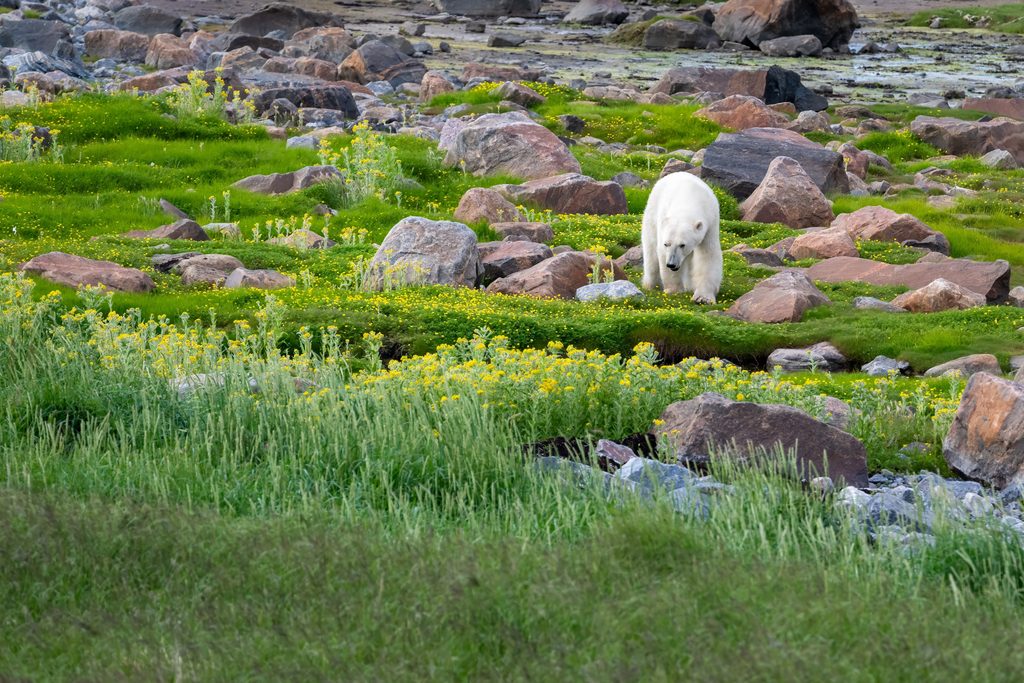
What distinguishes IPCAs is the way decisions are made, placing environmental governance and traditional knowledge of lands and waters at the forefront. Indigenous Nations can determine conservation objectives, boundaries, management approaches, governance structures, and the role of Indigenous laws and knowledge in multigenerational stewardship. Partnerships with federal, provincial, or territorial governments may provide additional legal protections or resources, but Indigenous leadership remains the defining feature.
This broader approach can connect ecological protection with cultural, social, and economic priorities. Protecting a watershed, for example, may simultaneously protect habitat and water quality, support public health and food sovereignty, sustain harvesting and other land-based practices, maintain cultural and linguistic connections to the territory, and create long-term opportunities in stewardship and monitoring. Such protections and opportunities are particularly key in an era of climate change and adaptation.
IPCAs, Self-Determination, and UNDRIP
IPCAs can also be understood within the broader rights framework set out in the United Nations Declaration on the Rights of Indigenous Peoples (UNDRIP). Article 25 recognizes Indigenous Peoples’ relationships with and responsibilities to their lands, territories, waters, and resources; Article 26 affirms rights relating to lands, territories, and resources; and Article 29 addresses the conservation and protection of the environment. Adopted in 2021, Canada’s United Nations Declaration on the Rights of Indigenous Peoples Act established a federal framework for implementing the Declaration.
IPCAs do not themselves create these rights, nor does every IPCA have the same legal status. Rather, they can provide one practical way for Indigenous Nations to exercise governance and stewardship responsibilities in relation to their territories.
Importantly, there is no single template for an IPCA and this flexibility is central to the model. One Nation may establish its own governance structure, while another may negotiate shared governance with provincial, territorial, or federal governments. The boundaries, permitted activities, conservation objectives, and legal mechanisms used can all differ according to the Nation and the lands and waters involved.
This differs from conservation models that begin with a predetermined government designation and then determine how Indigenous Peoples will participate within it. With an IPCA, Indigenous leadership sets the starting point for defining what conservation should look like in its territory.
Why do IPCAs Matter?
Indigenous Knowledge and Cultural Continuity
IPCAs can help safeguard connections between land, language, and culture, enabling Indigenous communities to maintain and pass down aspects of Traditional Ecological Knowledge (TEK). TEK is a living system of knowledge that grows through practice and intergenerational learning. By supporting Indigenous stewardship on ancestral lands, IPCAs can help maintain activities such as harvesting, ecological monitoring, and ceremony while strengthening the transmission of Indigenous Knowledge across generations.
As a result, conservation can support cultural continuity while cultural knowledge strengthens ongoing stewardship.
Biodiversity and Species Protection
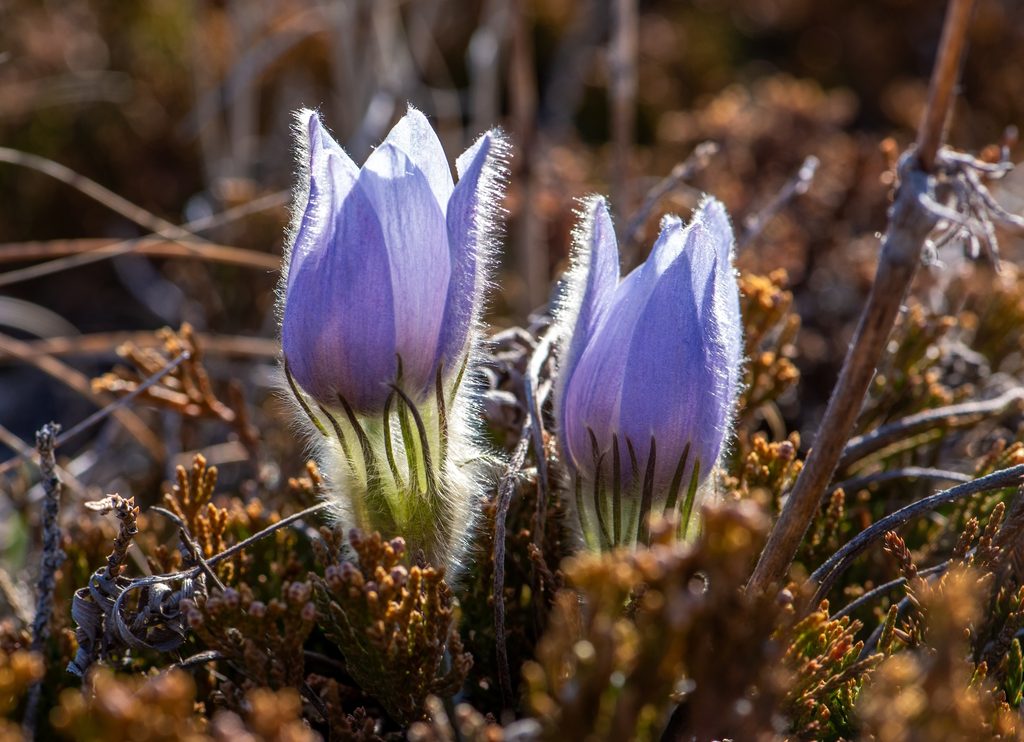
IPCAs can also make substantial contributions to biodiversity conservation by protecting large, connected habitats, migration corridors, watersheds, and culturally significant species. Long-term, place-based monitoring, including through Indigenous Guardian programs, can complement scientific and technical information by contributing observations accumulated through sustained relationships with a territory.
The value of Indigenous-led conservation should not, however, be reduced to an assumption that there is one universal “Indigenous approach” to environmental stewardship. IPCAs are Nation-specific. Their conservation priorities and governance models emerge from particular lands, laws, knowledge systems, and self-determined community priorities. Examples such as Edéhzhíe National Wildlife Area (NWA) in the Dehcho region of the Northwest Territories and the proposed Seal River Watershed IPCA in northern Manitoba demonstrate how this leadership can operate at an ecosystem scale.
Stewardship, Employment, and Local Economies
The economic effects of IPCAs vary across communities and regions, but Indigenous-led conservation can create direct employment and build local capacity through Indigenous Guardian programs, ecological monitoring, research, management, visitor services, and local contracting. Where Nations identify tourism as compatible with their conservation objectives, protected areas may also support Indigenous-owned guiding, hospitality, cultural tourism, and other visitor economy businesses.
Because each Nation determines its objectives, the legal tools supporting an IPCA can permit different forms of sustainable use. This creates space to consider conservation and economic development together rather than automatically treating them as competing objectives.
The financing of Indigenous-led conservation is also evolving. In 2022, Canada committed up to $800 million to four Indigenous-led initiatives using a Project Finance for Permanence (PFP) model, which brings together government and philanthropic funding to support long-term conservation, stewardship, and sustainable community development. PFP initiatives are distinct from IPCAs, but they reflect a broader shift toward treating conservation as long-term community and economic infrastructure. In the Great Bear Rainforest, for example, federal reporting indicates that associated investments have helped First Nations acquire, expand, or create 123 businesses and generate 1,253 permanent jobs.
Edéhzhíe: Indigenous Governance and Stewardship in Practice
Edéhzhíe, located in the Dehcho region of the Northwest Territories, was the first formal IPCA established following the launch of Canada’s Pathway to Target 1 Initiative. Designated in 2018, the area covers more than 14,200 square kilometres and was established to protect its boreal forest ecosystem, support Dehcho Dene culture, and prevent industrial resource development.
Edéhzhíe’s dual designation illustrates how an Indigenous-led conservation vision can operate alongside a federal legal protection. Under the 2018 Edéhzhíe Agreement, Dehcho First Nations and the Government of Canada share responsibility for management and operation, with a jointly appointed management board making decisions by consensus.
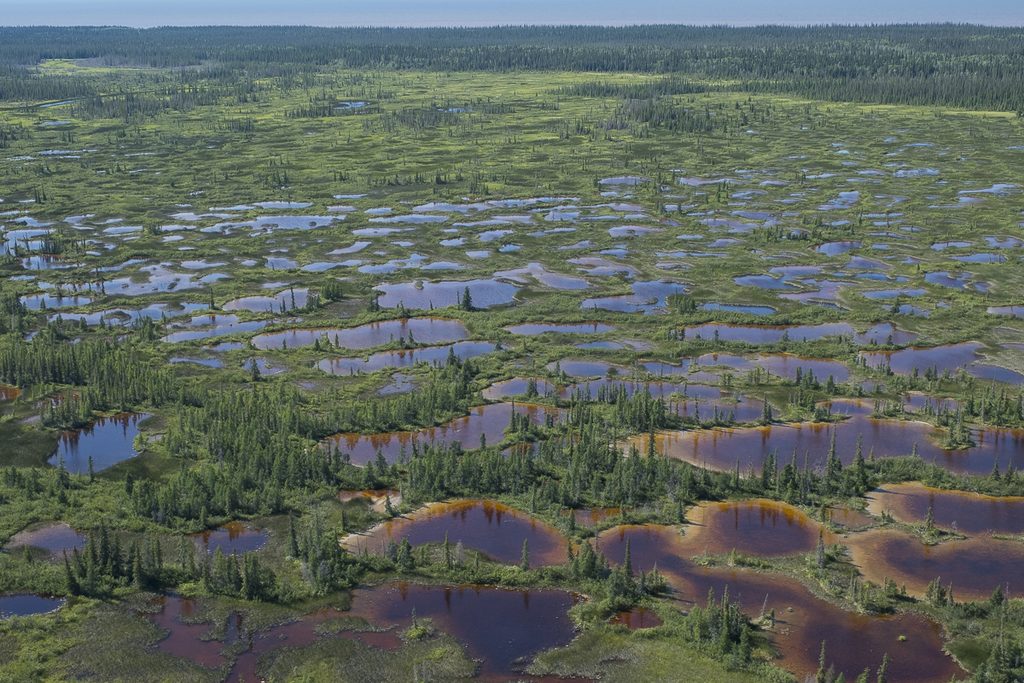
Edéhzhíe protects a diverse boreal landscape and habitat for at-risk species, including woodland caribou and migratory white-fronted geese. The Dehcho K’éhodi Stewardship and Guardian Program also provides an Indigenous-led presence on the land through monitoring, patrols, research, and youth mentorship. The program is guided by Dene laws and values and is intended to strengthen Dene language and intergenerational knowledge alongside environmental stewardship.
Edéhzhíe therefore exemplifies an IPCA as an ongoing governance and stewardship system.
The Seal River Watershed: Indigenous-Led Conservation in Manitoba
In northern Manitoba, the Seal River Watershed Alliance – formed by Sayisi Dene First Nation, Northlands Denesuline First Nation, Barren Lands First Nation, and O-Pipon-Na-Piwin Cree Nation – is leading an initiative to protect more than 50,000 square kilometres of one of the world’s largest remaining ecologically intact watersheds. The four Nations formed the Alliance in 2019 to advance an IPCA across their ancestral lands.
Following a feasibility process with the governments of Canada and Manitoba, the partners concluded in early 2025 that establishing protected areas in the watershed was feasible. In 2026, Canada committed $7.9 million in ongoing funding, and the Alliance proposed a conservation model in which the entire watershed would be recognized as an IPCA, with approximately two-thirds protected through a new provincial park and one-third through a new national park reserve. The proposal also calls for a consensus-based joint management board representing the Indigenous, federal, and provincial governments. The initiative is now in the agreement-negotiation stage.
The watershed supports at least 30 at-risk species, including caribou and lake sturgeon, as well as extensive wetlands that store carbon and provide habitat across a largely intact northern ecosystem. The proposal also considers continued public access, hunting, fishing, tourism, Indigenous Guardian programs, and opportunities within a longer-term conservation economy.
“Our vision is for our Nations to work together to ensure our grandchildren’s grandchildren have the opportunity to engage in traditional practices within a healthy Seal River Watershed.”
Seal River illustrates why IPCAs should not be understood as a single type of park or legal designation. Its proposed model would combine Indigenous-led conservation with provincial and federal protected-area mechanisms, allowing different legal tools to operate within one broader conservation vision. It also demonstrates how ecological protection, Indigenous cultural priorities, recreation, stewardship employment, and appropriate economic activity can be considered within the same governance framework.
Final Thoughts
The significance of IPCAs is not only in how much land or water they protect, but in who defines protection and how. As Canada works to close the considerable gap between its current levels of conservation and its 30-by-30 targets, Indigenous-led conservation offers one pathway to expand protection while strengthening Indigenous governance, cultural continuity, and locally determined stewardship.
IPCAs are not, however, a standardized policy tool. Their strength lies partly in their ability to reflect Nation-specific laws, governance structures, ecological priorities, and economic objectives. Their long-term effectiveness will therefore depend on more than designation alone: sustained financing, governance capacity, durable agreements, and resources for ongoing stewardship all matter after an area is formally protected.
The 2030 target has created urgency around the amount of land and water Canada conserves. IPCAs raise an equally important question about the governance of that conservation. If Indigenous-led conservation is understood not simply as a way to add hectares toward a national target, but as an exercise in long-term governance and stewardship, its significance extends well beyond 2030.







Share the article